For the Institute, international relations are not only a form of official cooperation but also a strategic instrument for developing the national qualifications system. Through international cooperation, the national qualifications system continues to develop further, and advanced foreign experience in ensuring quality is being studied. In addition, opportunities are increasing to enhance the capacity of experts in the field and to strengthen institutional cooperation.


Studying and applying international experience, methodologies, and best practices in ensuring quality within the National Qualifications System.

Further strengthening the Institute’s capacity by developing the professional skills of experts and specialists at the international level and reinforcing management and institutional systems.

Aligning the National Qualifications System, professional standards, and SQFs with international requirements.

Further modernizing the system by implementing cooperation projects, testing new approaches, and adapting advanced international practices to national conditions.

Providing research-based advice, studies, and analyses to support the reform of the National Qualifications System, long-term strategic planning, and sustainable development.
National Agency for Qualifications Development of the Russian Federation
 Go to the website of the National Agency for Qualifications Development of the Russian Federation
 National Agency for Qualifications Development of the Russian Federation
The National Agency is the main organization under the National Council for Professional Qualifications of the President of the Russian Federation and performs the functions of the Main Center for the training, retraining, and advanced training of skilled workers.
 About the Cooperation
A memorandum was signed with the National Agency for Qualifications Development of the Russian Federation (Национальное Агентство Развития Квалификаций РФ) in order to develop cooperation in the field of developing national qualifications systems.
Within the framework of cooperation:
- developing methodological approaches, including the development of professional standards, qualifications, and assessment procedures;
- exchange of experience and best practices;
- coordinating approaches for the mutual recognition of professional qualifications; organizing joint expert groups, trainings, and internships;
- working on the study of digital tools to increase efficiency in national qualifications systems is envisaged.
The memorandum also provides for the possibility of implementing other forms of cooperation agreed upon by both parties.
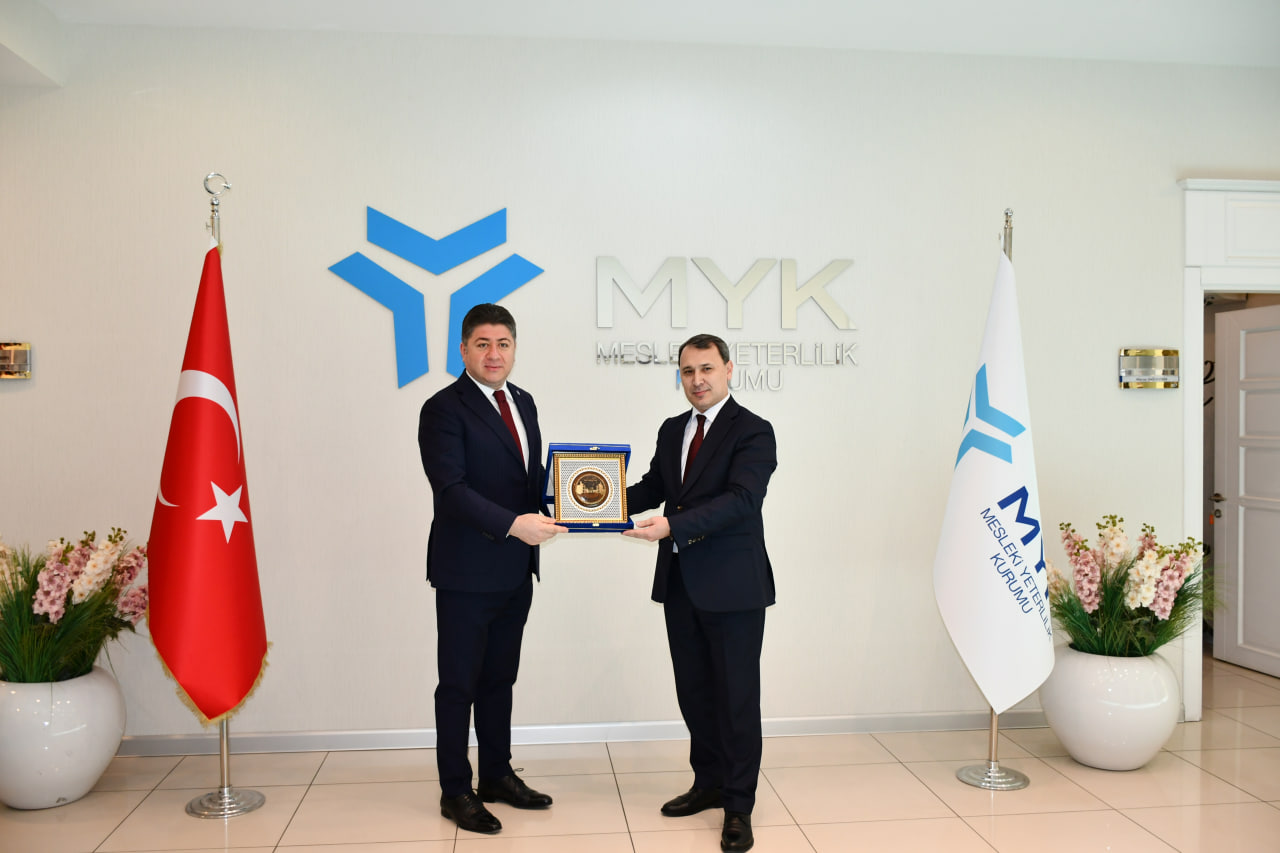
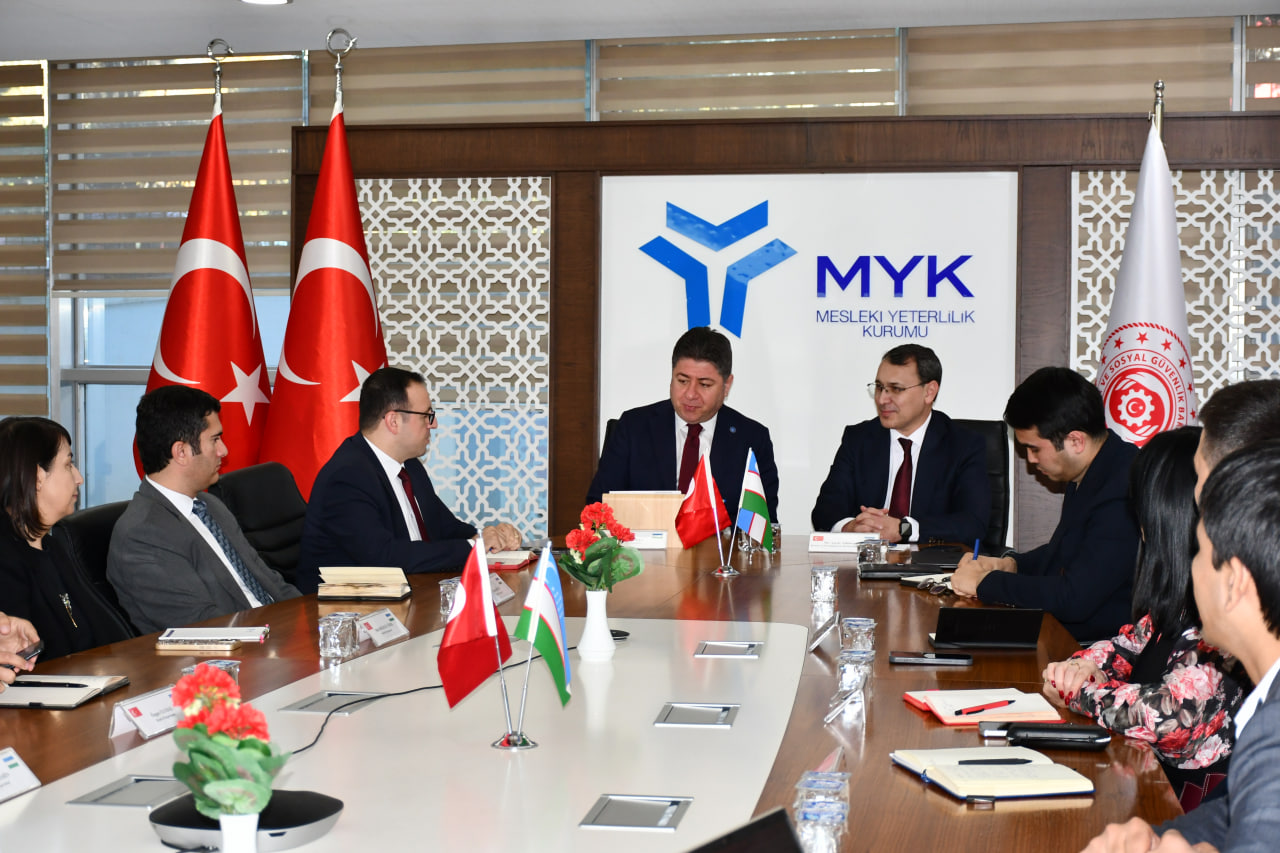
Vocational Qualifications Authority (MYK) of the Republic of Türkiye
Mesleki Yeterlilik Kurumu (MYK) is a public institution in Türkiye responsible for establishing, managing, and supervising the national vocational qualifications system. It carries out the following functions: defining national occupational standards, developing a competitive and qualified workforce in the labor market, managing the vocational qualification certification system, and ensuring a transparent and reliable assessment process.
About the Cooperation
A Memorandum of Understanding was signed between the Vocational Qualifications Authority of the Republic of Türkiye (MYK) and the Institute in order to strengthen bilateral cooperation in the field of the national qualifications system. The cooperation covers the following areas:
- mutual methodological cooperation in the national qualifications system;
- exchange of experience and best practices in developing systems;
- exchange of legislation, regulatory, and open documents in the field;
- cooperation in developing mechanisms for the recognition of prior learning (RPL);
This Memorandum is aimed at developing a qualified workforce through the exchange of experience between Türkiye and Uzbekistan, ensuring methodological alignment in the field, and mutually improving national qualifications systems.
 Helvetas Swiss Intercooperation, Switzerland
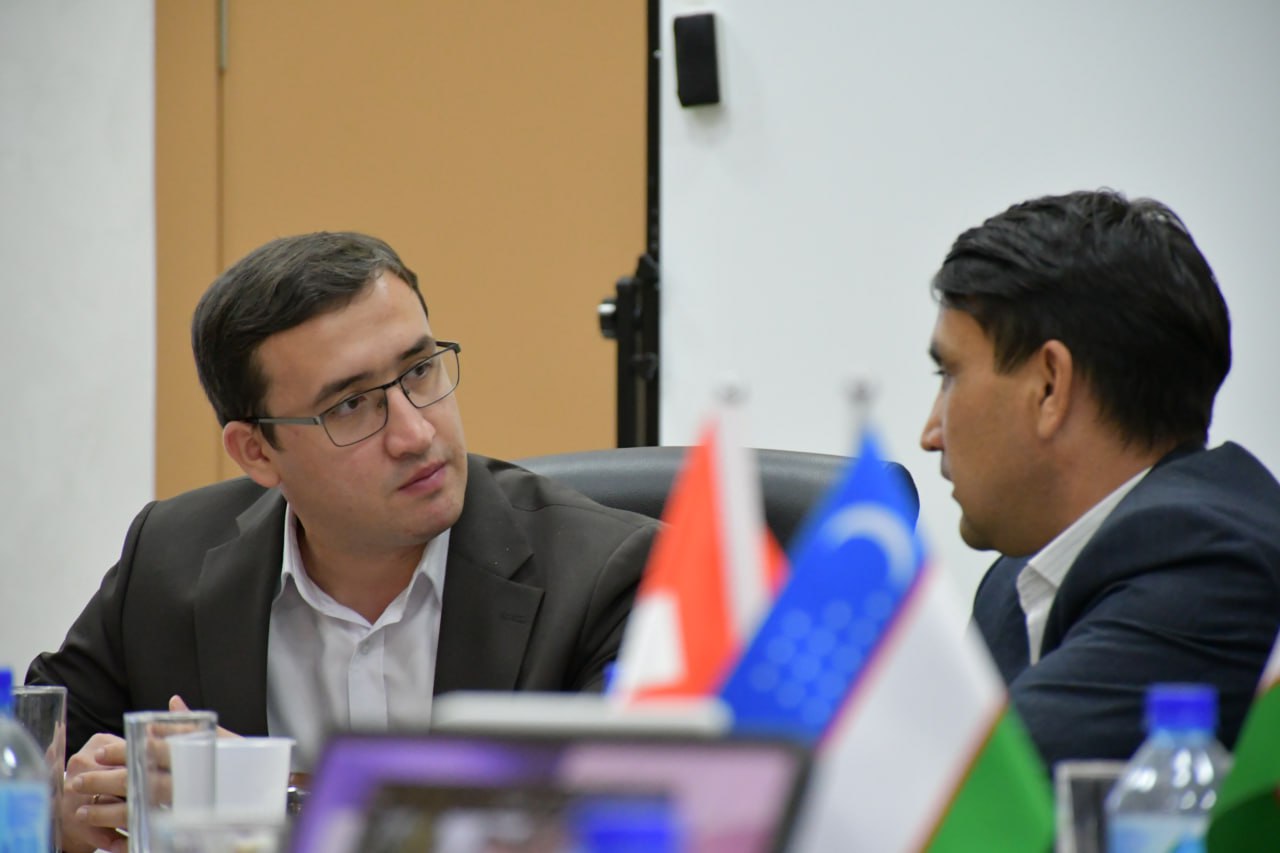
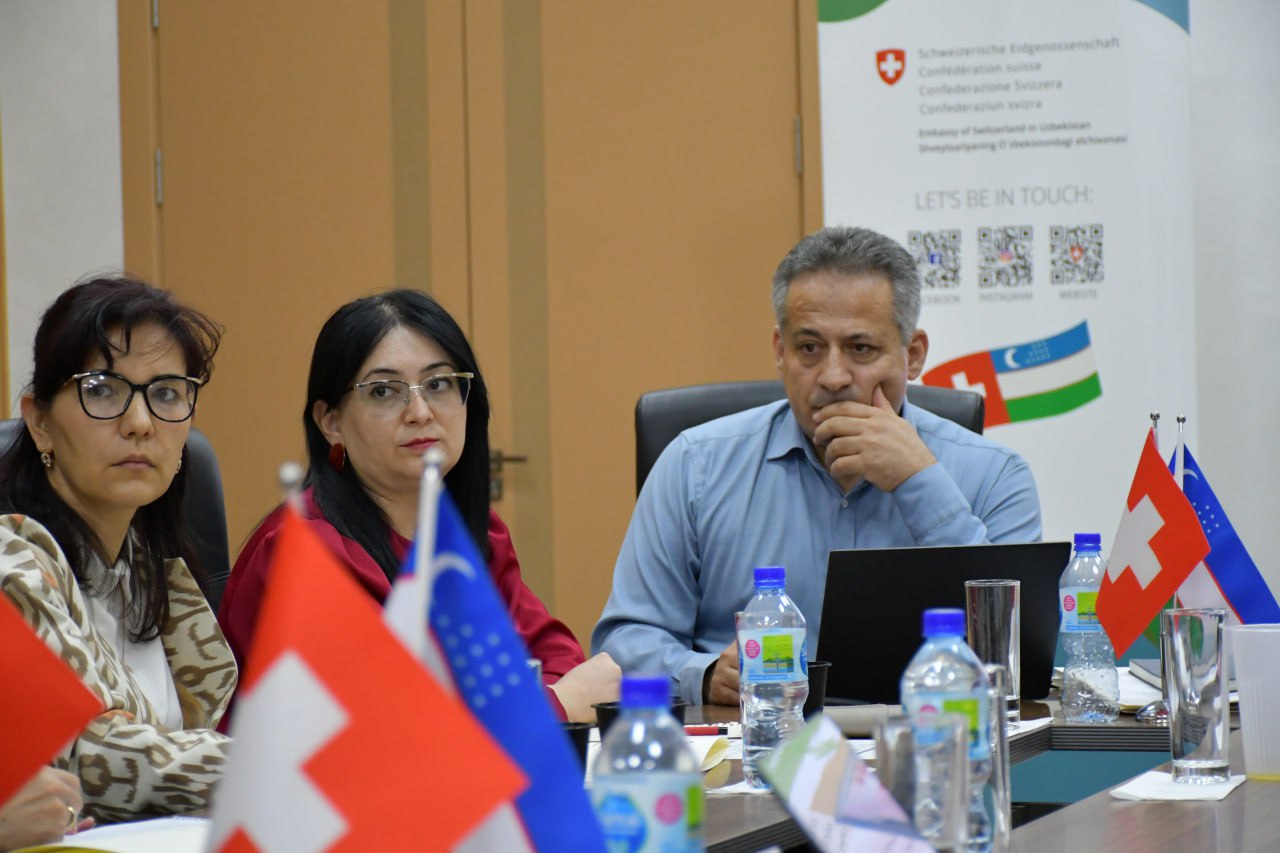
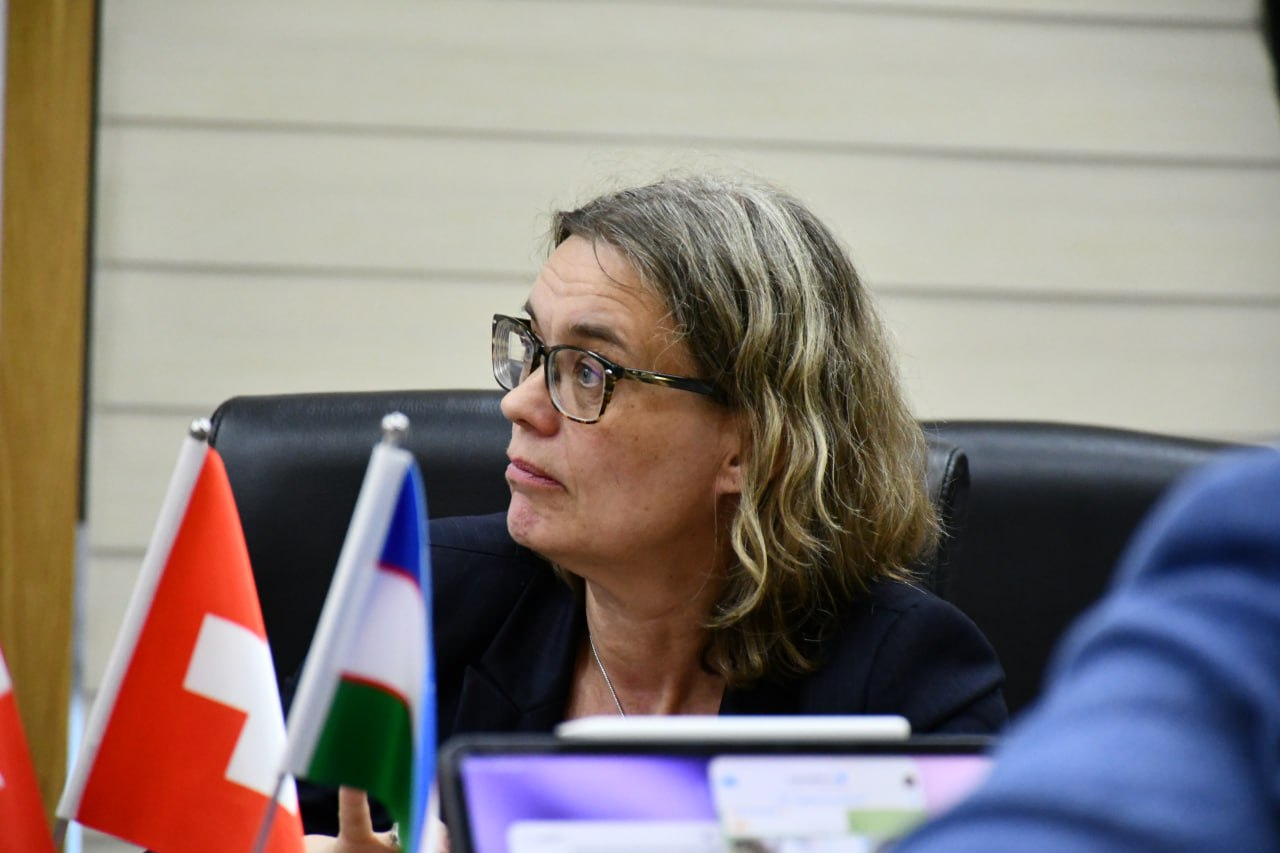
Within the framework of cooperation between the HELVETAS project of Switzerland, the National Agency for Quality Assurance in Education, and the Institute, an important methodological document aimed at improving the vocational education system was developed. This cooperation is intended to align educational programs with the needs of the labor market, introduce a results-oriented approach in the teaching process, and improve the quality of vocational training.
As a result of this cooperation, a methodological guide titled “Methodological Guide for Developing Outcome-Based Educational Programs Based on Professional Standards” was created. The guide serves as a practical instruction for educational institutions, methodologists, and employers in forming learning outcomes, designing, and implementing educational programs using professional standards, and is aimed at further strengthening the national education quality assurance system.
 Photo Gallery
 UNESCO
Recognition of Prior Learning (RPL) and Validation of Acquired Knowledge and Skills
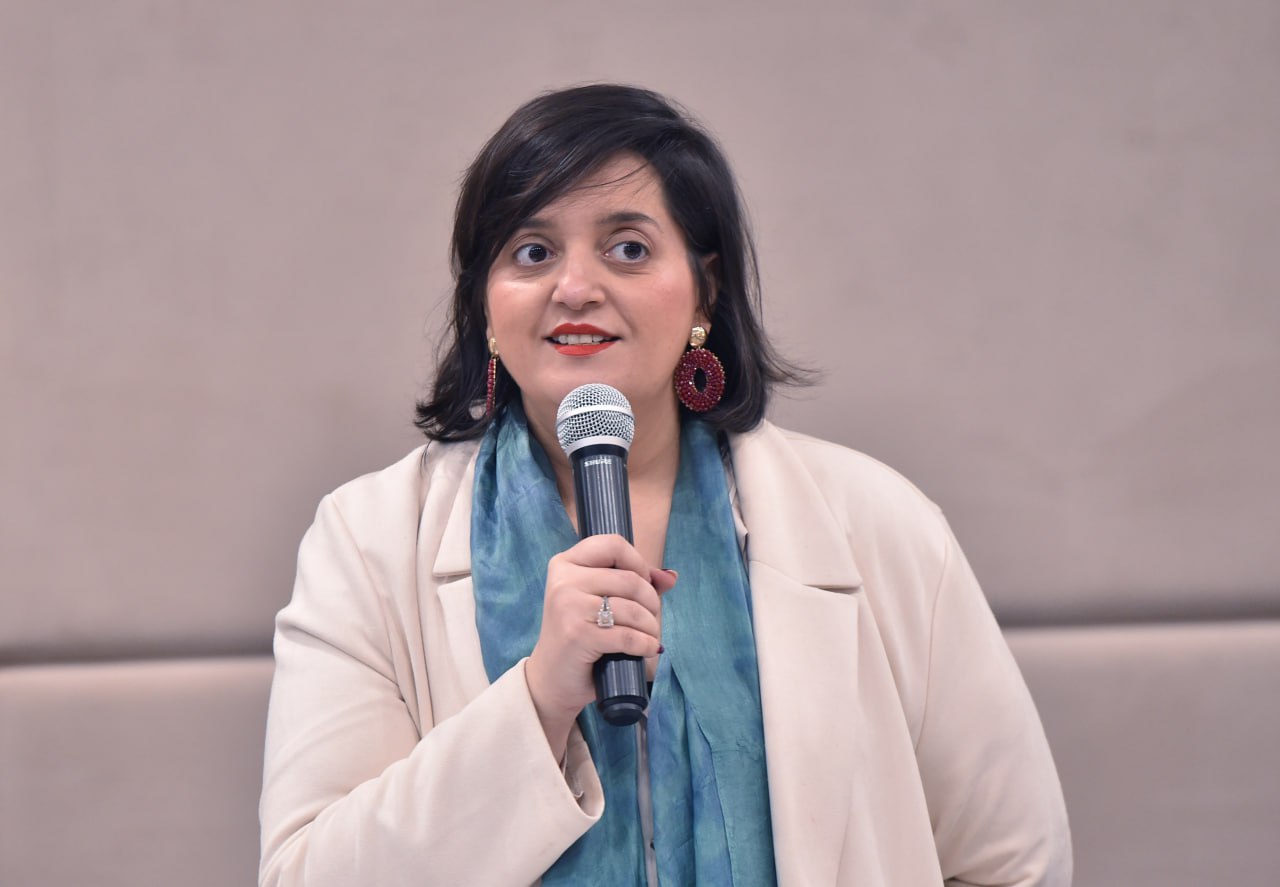
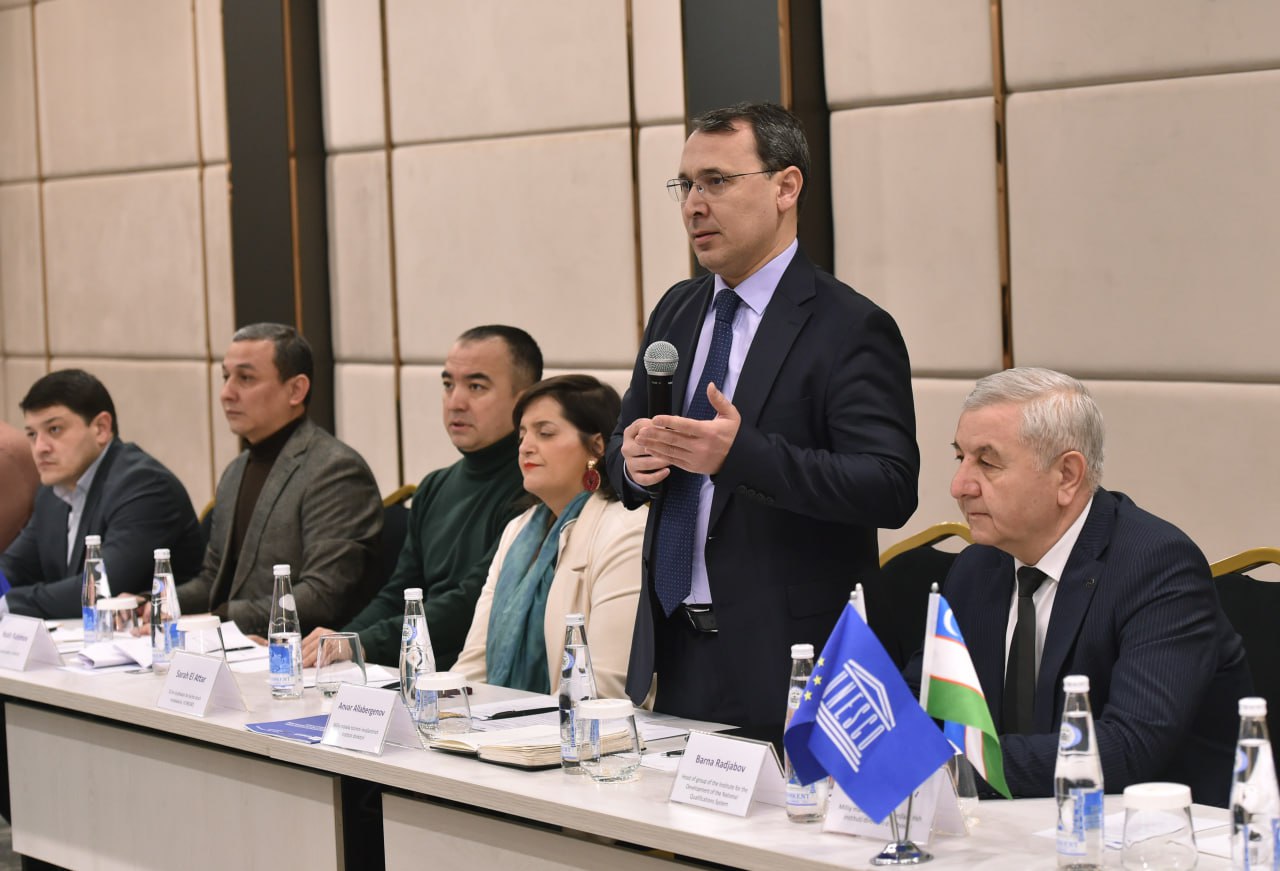
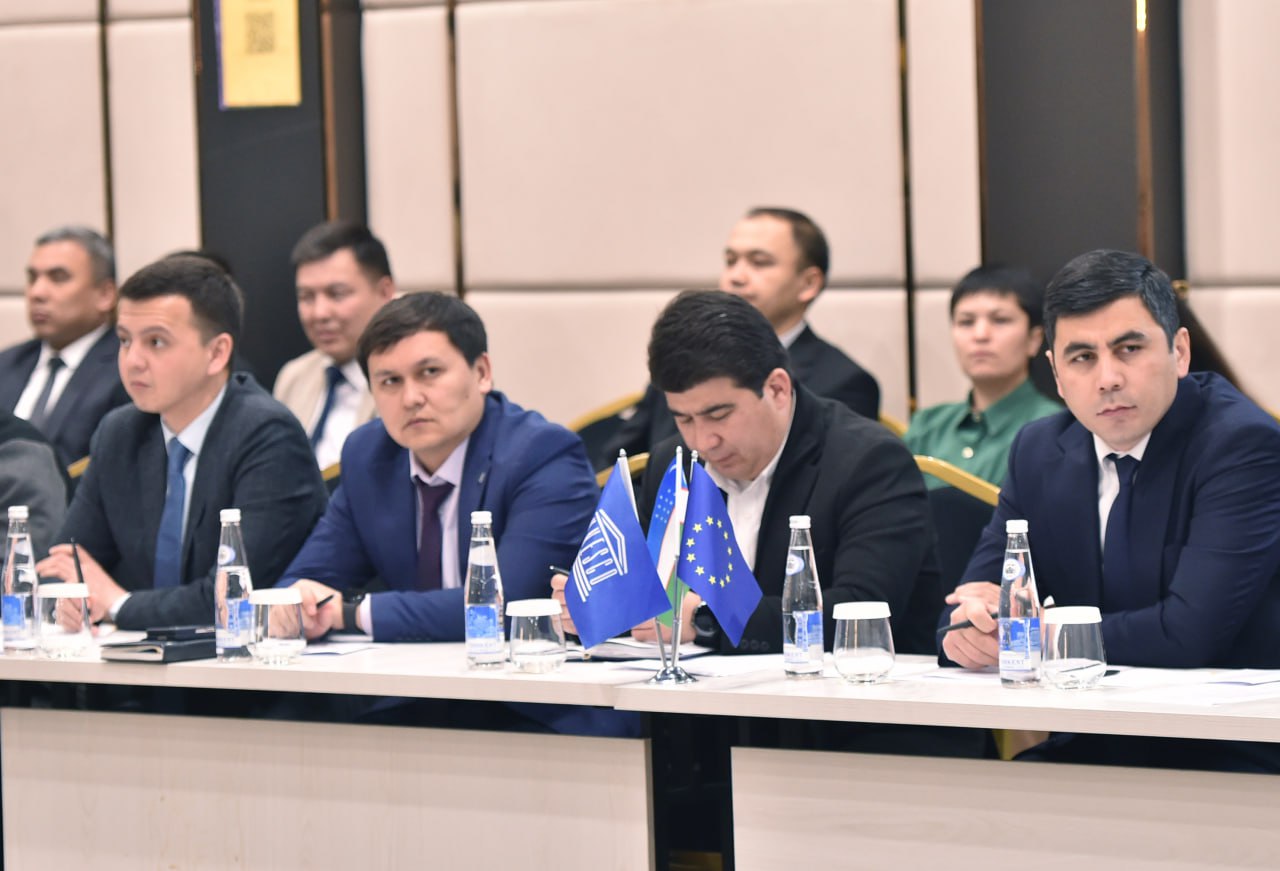
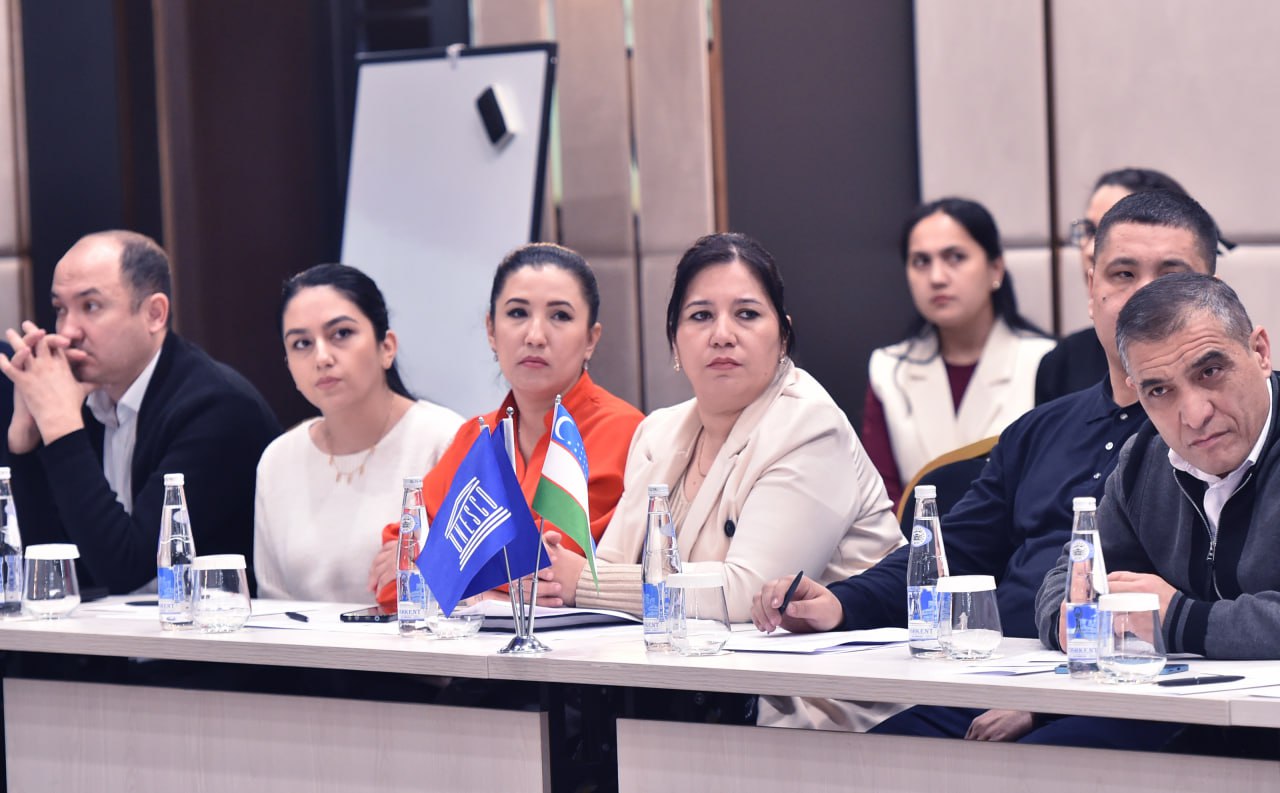
Cooperation is being carried out with the UNESCO to develop mechanisms for the Recognition of Prior Learning (RPL) and validation of acquired knowledge and skills, and to implement them at the institutional level.
In this context, RPL is regarded not merely as a technical mechanism for assessing qualifications, but as a systemic policy instrument that supports lifelong learning, enhances labor market mobility, and ensures social inclusion.
This cooperation includes aligning RPL mechanisms with lifelong learning strategies and is aimed at ensuring the formal recognition of knowledge and skills acquired throughout a person’s life through work experience, non-formal, and informal learning.
Aligning the National Qualifications Framework (NQF) with the European Qualifications Framework (EQF).
Within the framework of joint projects with UNESCO, collaborative work was carried out on defining qualification levels, level descriptors, and learning outcomes within the National Qualifications Framework.
In this process, the consistent application of these elements in outcome-based, transparent, and formal, non-formal, and informal learning contexts is ensured. In addition, projects are being implemented jointly with UNESCO to ensure that qualifications meet international requirements and maintain transparency, particularly by aligning them with the European Qualifications Framework (EQF) and relevant regional frameworks.
This contributes to the international recognition of qualifications and strengthens workforce mobility and alignment with the labor market.
Fotogalereya
 ETF
ETF
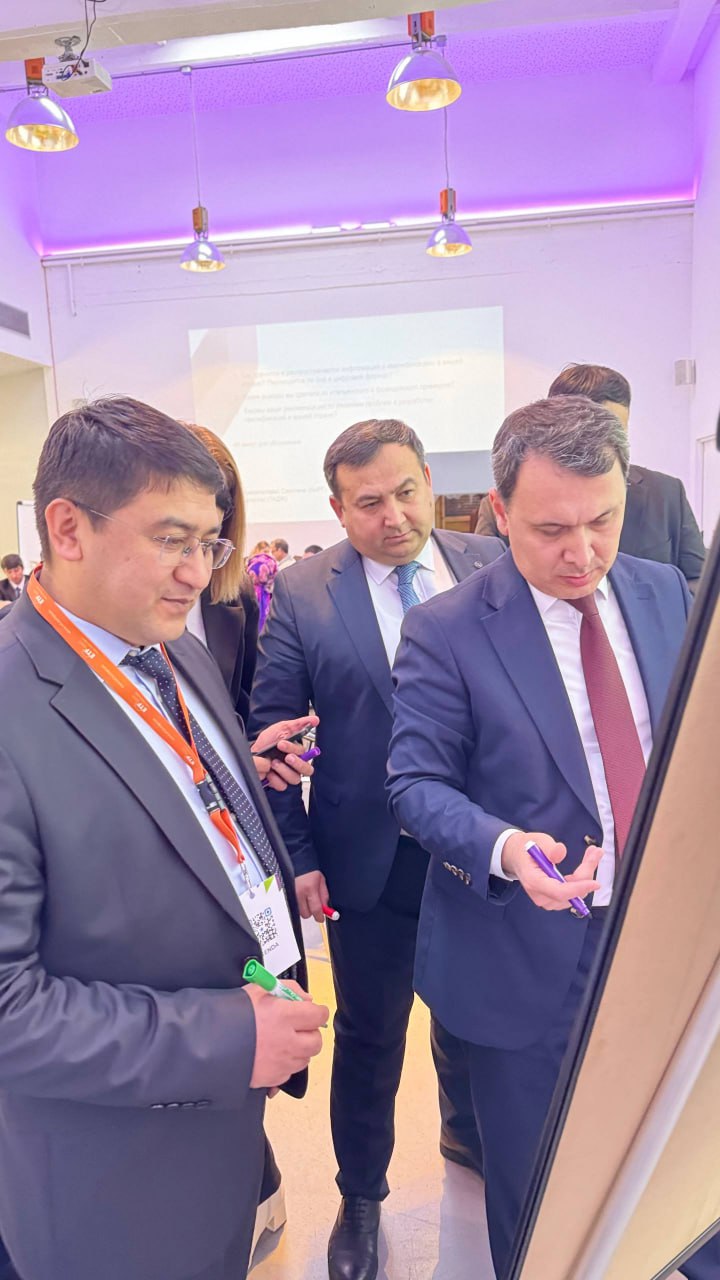
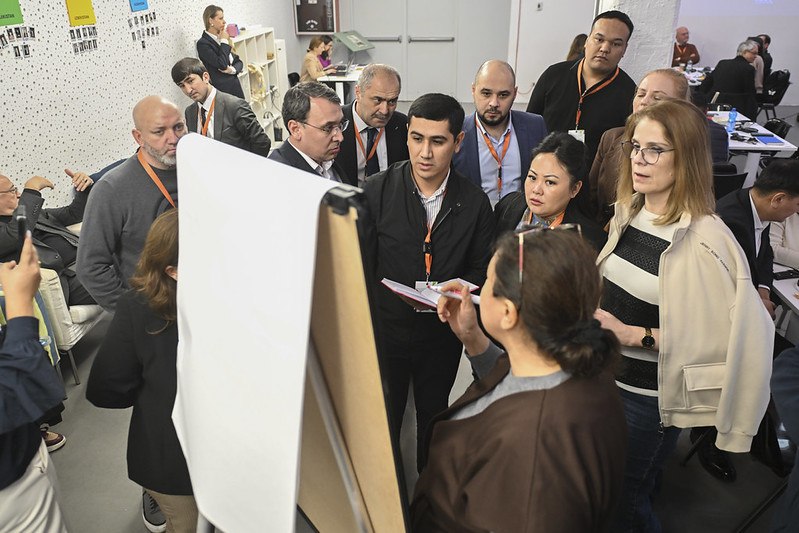
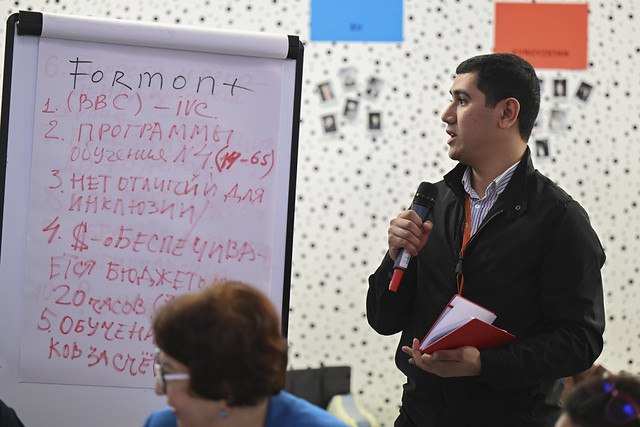
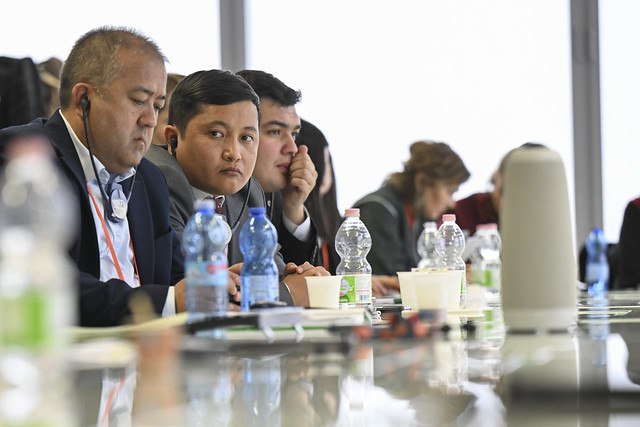
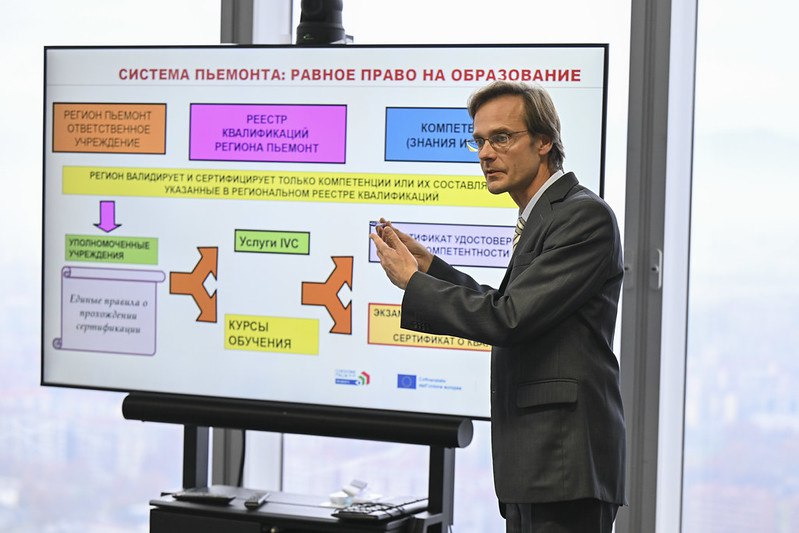
Systematic cooperation is being carried out with the European Training Foundation (ETF) in the areas of developing vocational education and qualifications, as well as recognizing non-formal and informal learning. This cooperation is mainly implemented within the framework of the DARYA regional project and is aimed at developing national and regional professional standards in the countries of Central Asia, improving national qualifications systems, and introducing international experience into national practice.
Within the framework of cooperation with the European Training Foundation (ETF), three regional professional standards were developed based on Module 2 of the DARYA project, and three national professional standard drafts were formed on their basis. In addition, an agreement was reached to participate in the next project aimed at establishing an assessment and validation system for these standards.
Photo Gallery
 MYK
MYK
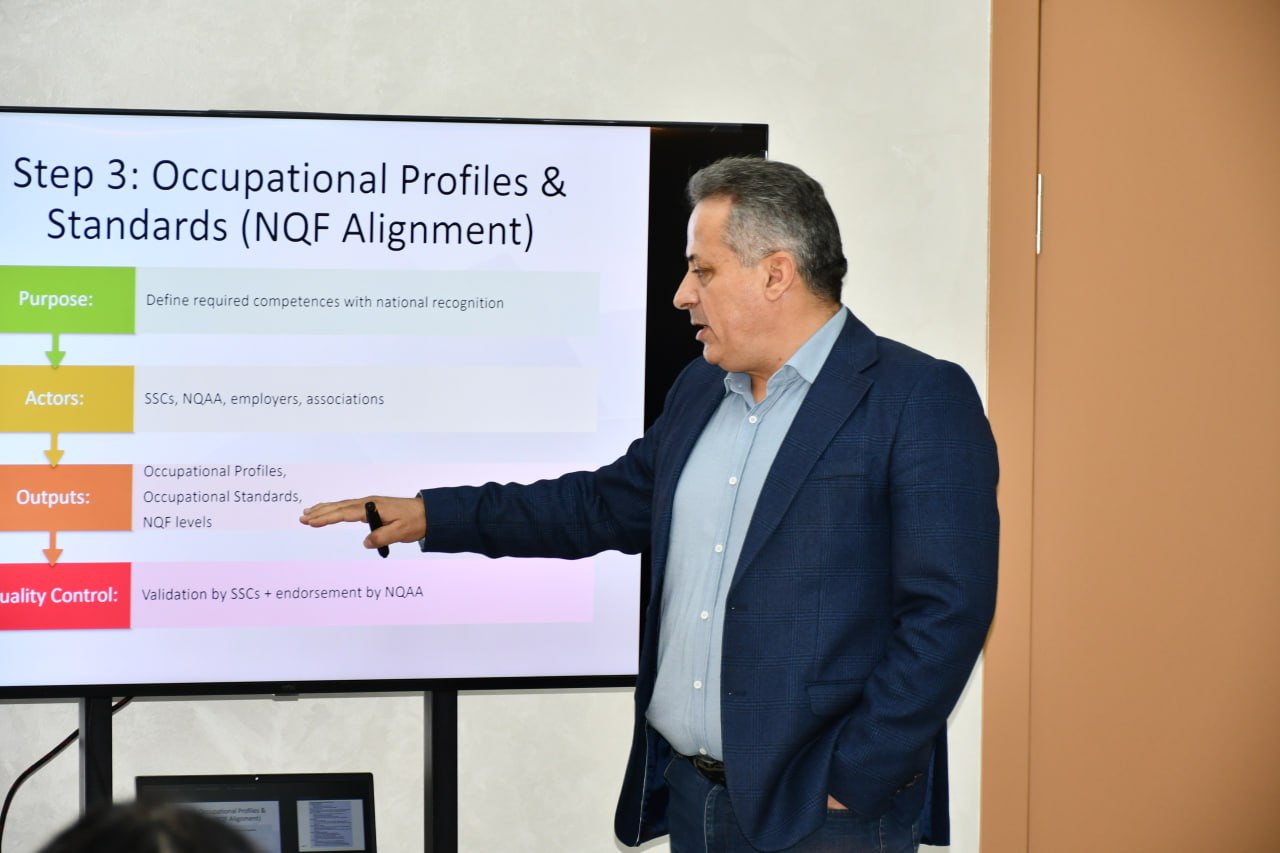
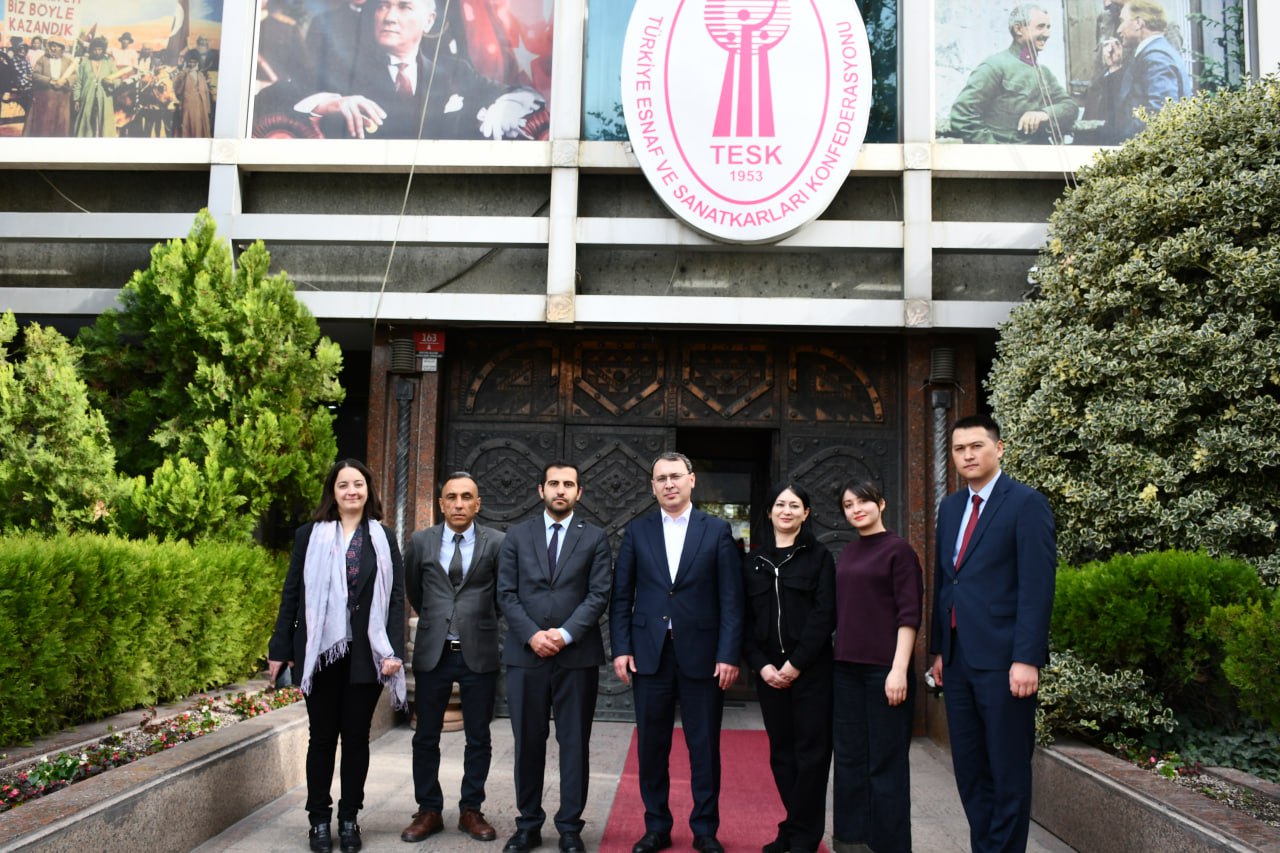
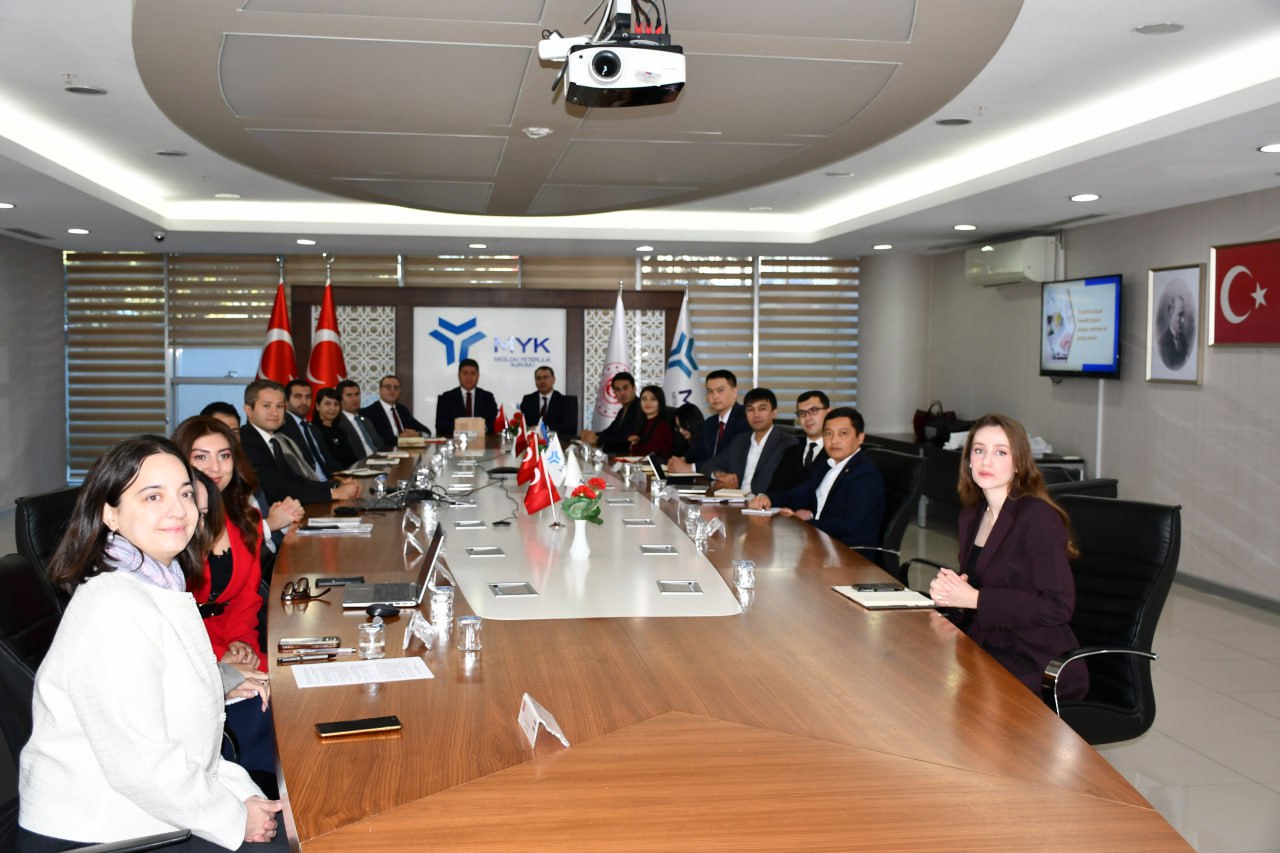
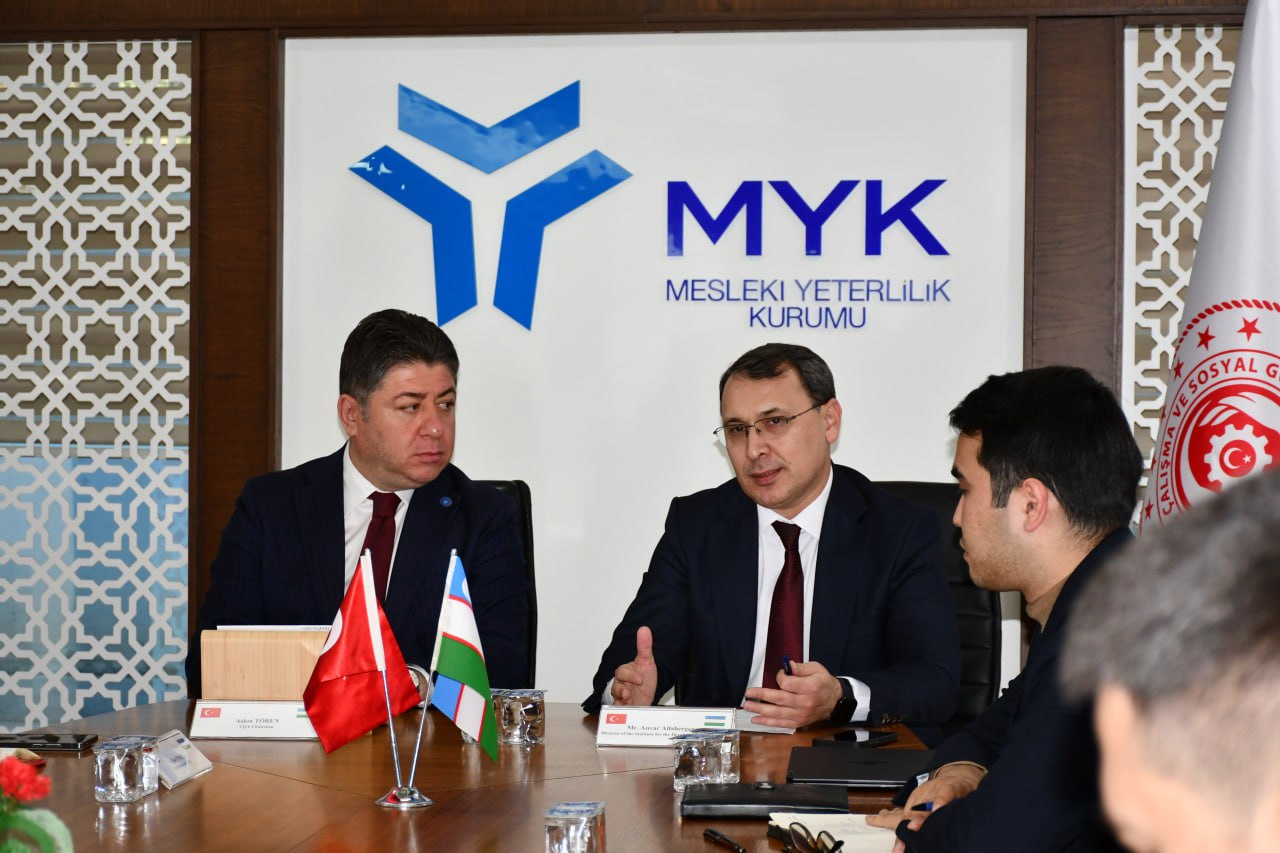
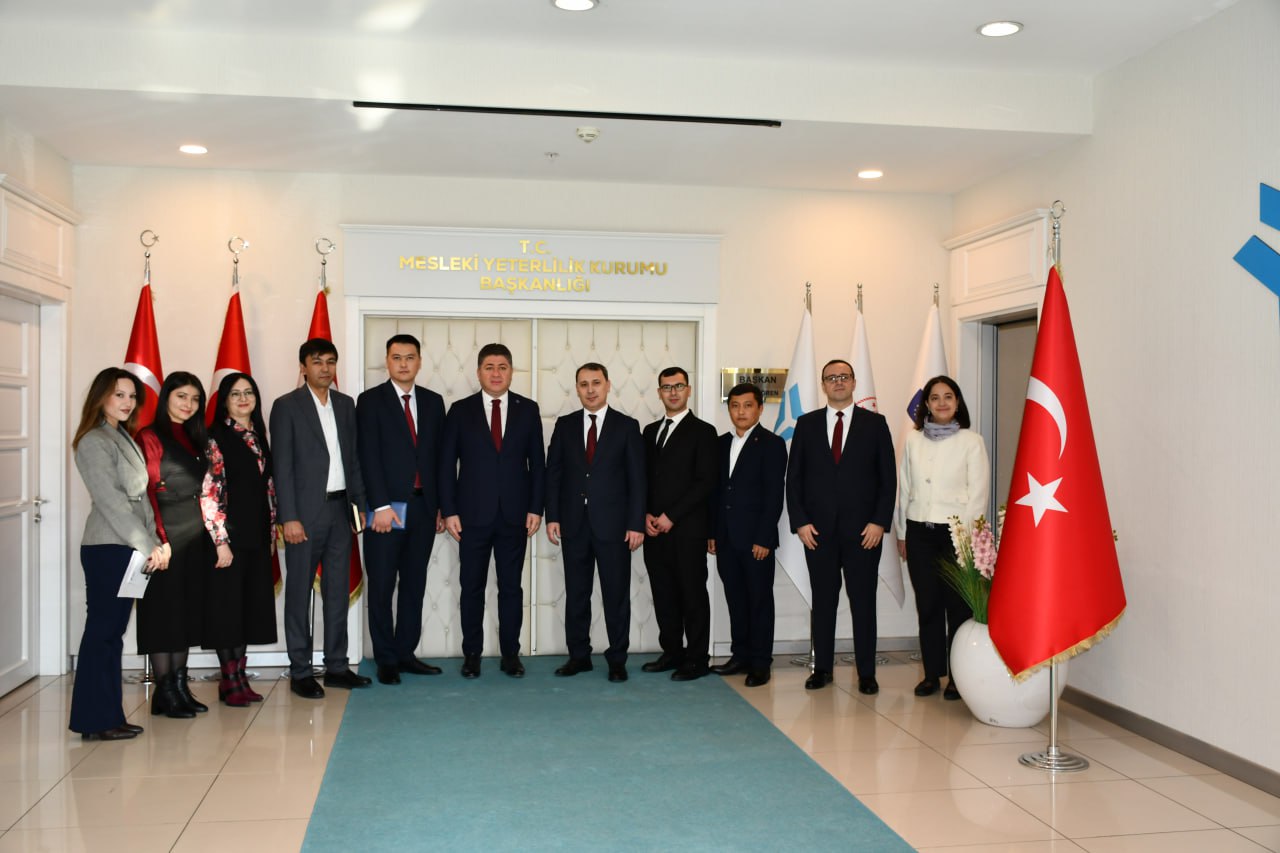
A Memorandum of Understanding (MoU) has been signed between the Mesleki Yeterlilik Kurumu (MYK) of the Republic of Türkiye and the Institute, covering areas such as the development of the national qualifications system, improvement of professional standards and sectoral qualifications frameworks, assessment and certification of qualifications, as well as strengthening institutional capacity and developing a long-term qualifications development concept until 2030.
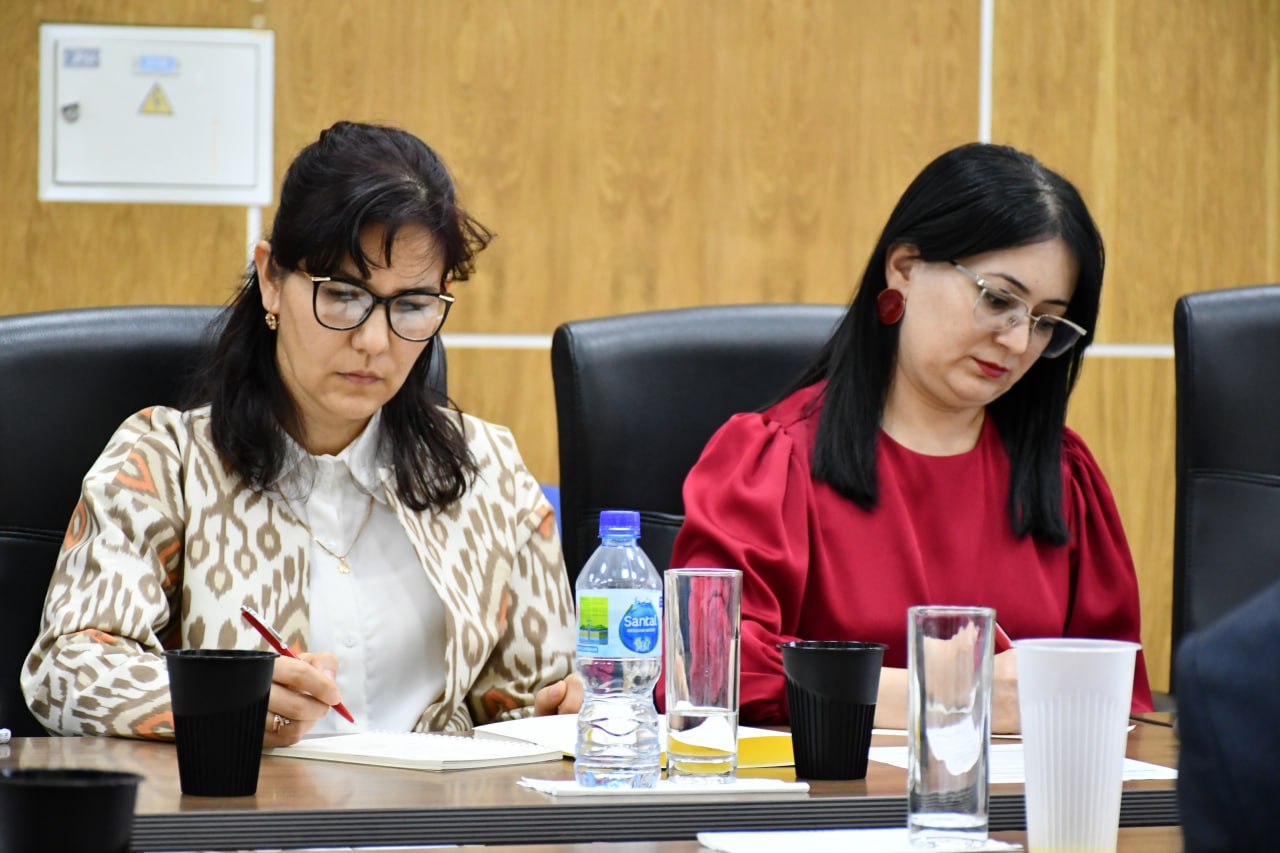
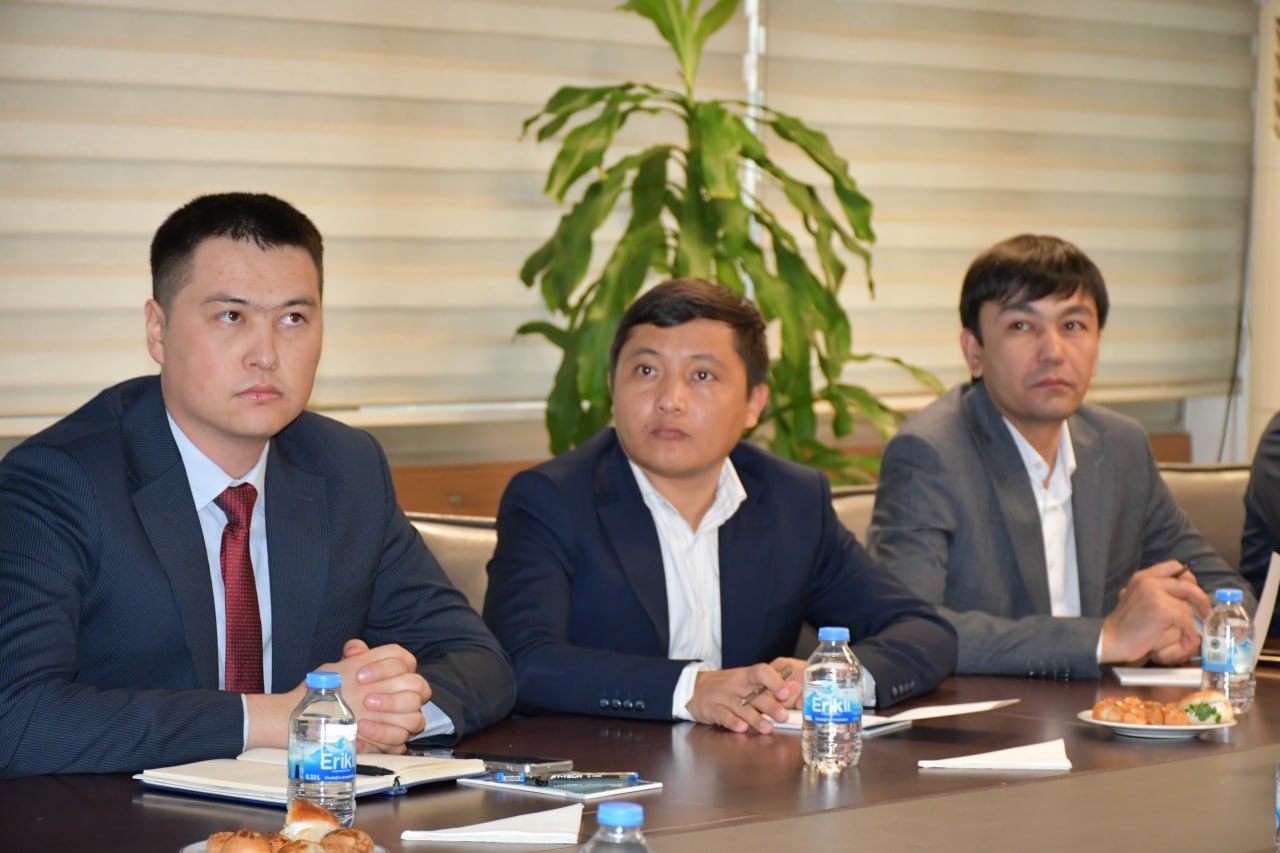
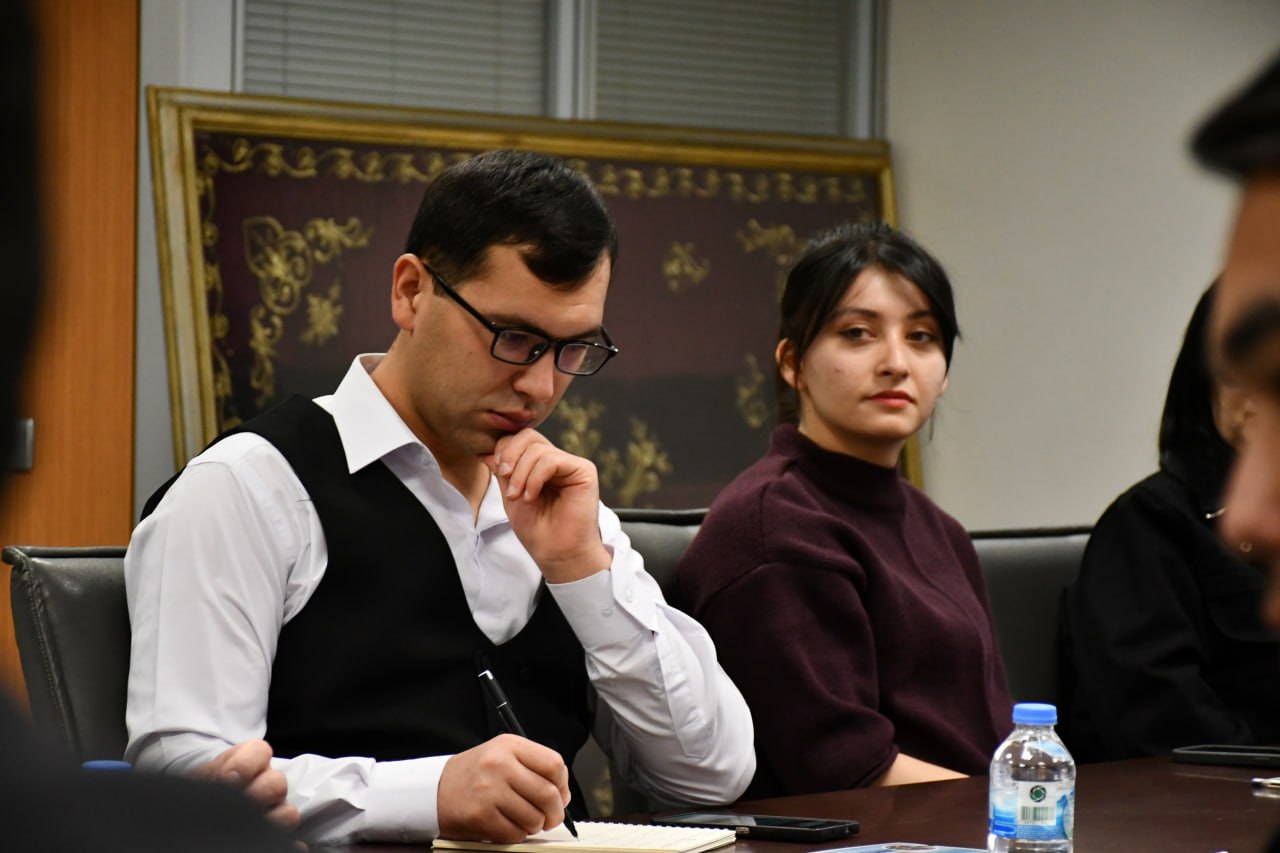
A study visit was conducted to the Mesleki Yeterlilik Kurumu (MYK) of the Republic of Türkiye from November 17 to 20, 2025, for the purpose of exchanging experience.
Fotogalereya
 O'zbekcha
 Русский
 English